Avoiding Common Mistakes in Architectural Design Projects


Understanding the Importance of Clear Communication
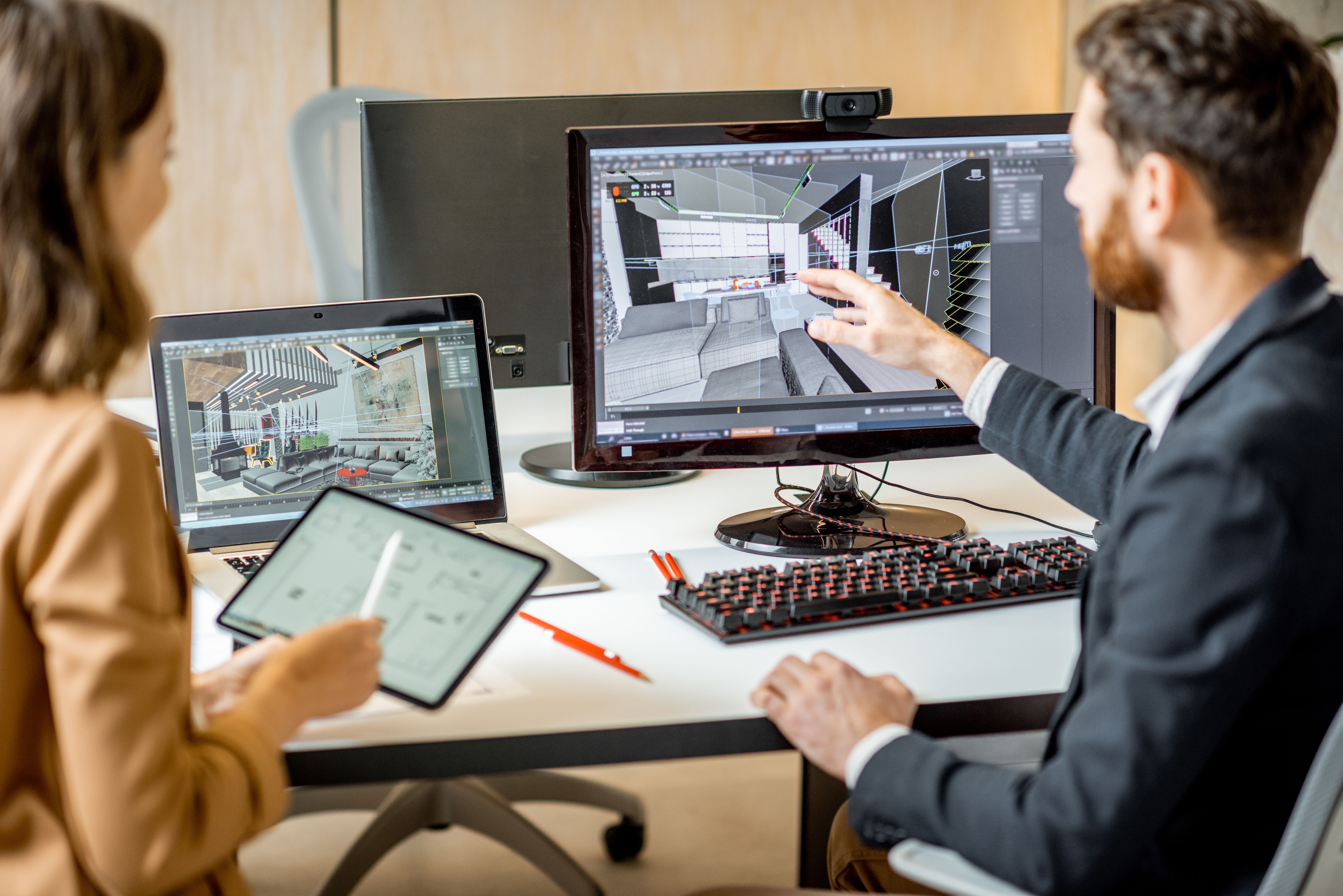
One of the most critical aspects of a successful architectural design project is ensuring clear and consistent communication between all stakeholders. Misunderstandings can lead to costly mistakes, delays, and unsatisfactory outcomes. To avoid these pitfalls, establish regular meetings and use collaborative tools that facilitate information sharing and feedback.
Engaging with clients, contractors, and team members from the outset helps in setting clear expectations. Providing detailed design documents and maintaining open channels for questions can significantly reduce the risk of miscommunication.

Prioritizing Comprehensive Planning
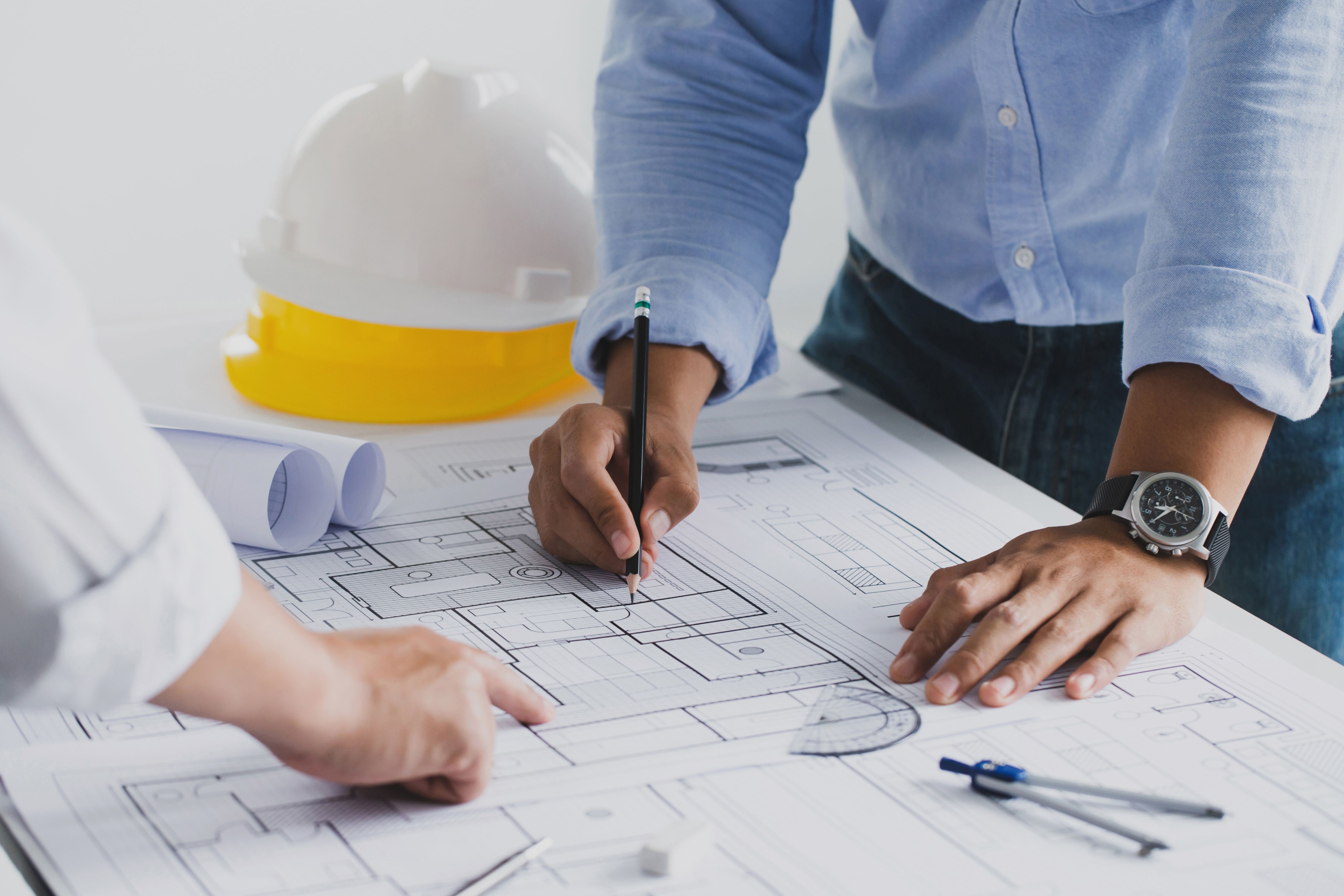
Thorough planning is the foundation of any successful project. Before diving into the design phase, ensure that all requirements and constraints are identified and documented. This includes understanding zoning laws, environmental impacts, and budget limitations. A well-thought-out plan can prevent numerous problems down the line.
When planning, consider future needs and scalability. Architectural designs should not only meet current requirements but also anticipate potential changes and expansions. This foresight can save time and resources in the future.
Balancing Aesthetics and Functionality
A common mistake in architectural design is focusing too heavily on aesthetics at the expense of functionality. While it’s important for buildings to be visually appealing, they must also serve their intended purpose effectively. Designers should strive for a harmonious balance between form and function.
Engage with clients to understand their practical needs and ensure that these are integrated into the design. Consider factors such as accessibility, usability, and efficiency alongside visual elements. Remember, a beautiful design that fails to meet its functional requirements ultimately falls short.
Incorporating Sustainable Practices
As environmental concerns continue to rise, integrating sustainable practices into architectural design is no longer optional but essential. Avoid the mistake of overlooking sustainability by incorporating energy-efficient systems, sustainable materials, and environmentally friendly technologies into your projects.
Assess the environmental impact of your designs and explore innovative solutions to minimize carbon footprints. Sustainable designs not only benefit the planet but also offer long-term cost savings and enhanced building performance.

Ensuring Compliance with Regulations
Failure to comply with local regulations and building codes can lead to significant setbacks, including fines, legal issues, and project delays. Stay informed about the relevant codes and regulations in your area, and ensure that your designs are fully compliant.
Working closely with local authorities and legal experts can help navigate the complexities of compliance. Regularly reviewing and updating your knowledge of regulations is crucial to avoiding costly mistakes.
Embracing Technological Advancements
Technology is rapidly transforming the field of architecture. Embrace advancements such as Building Information Modeling (BIM), virtual reality, and 3D printing to enhance design accuracy and efficiency. These tools can help visualize complex designs and identify potential issues before construction begins.
Failure to leverage these technologies can result in outdated designs and inefficient processes. Stay ahead of the curve by integrating cutting-edge tools and techniques into your workflow.