
Case Study: Transforming a Historic Lisboa Building


Introduction to the Project
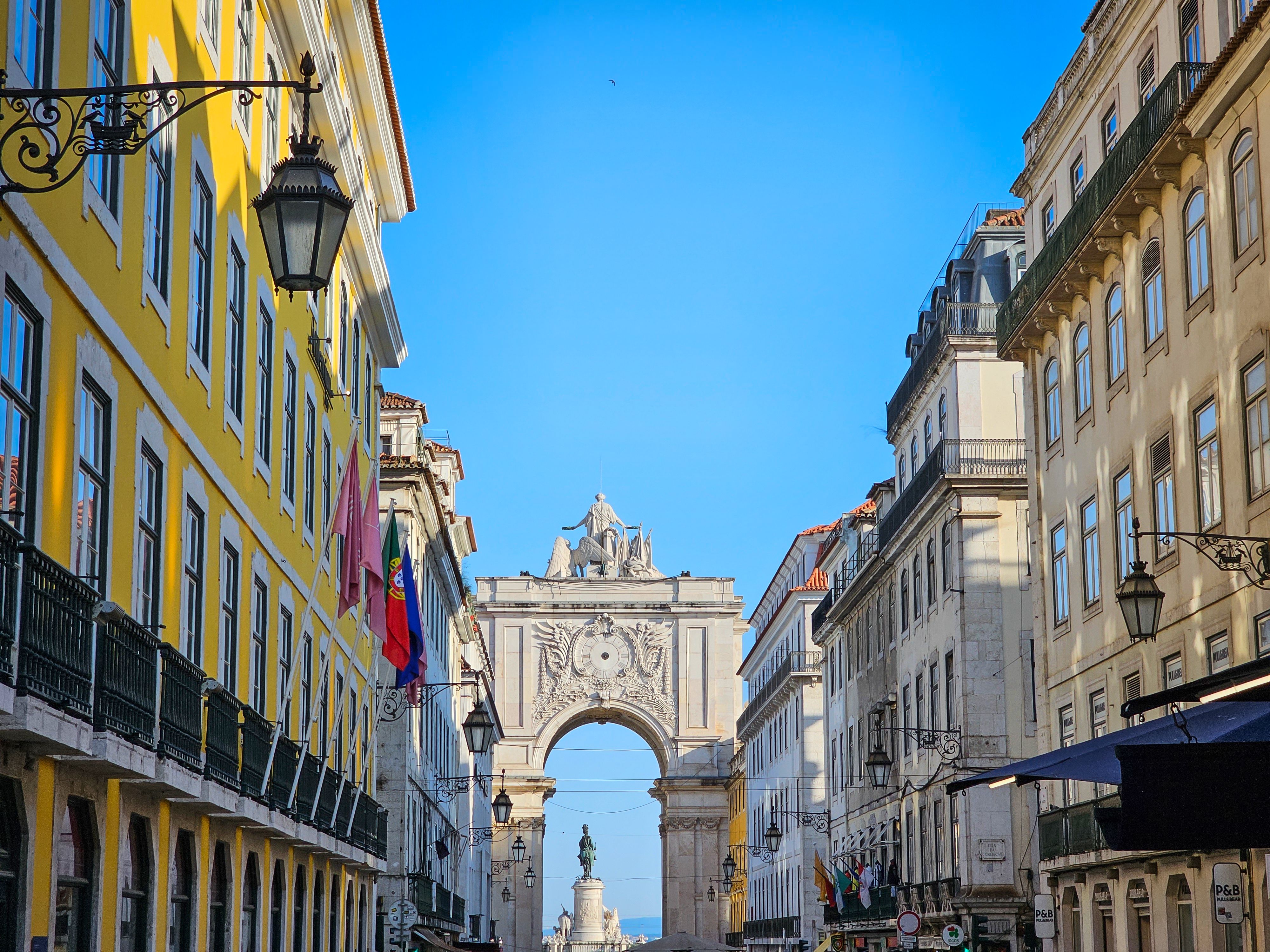
Located in the heart of Lisboa, a historic building once stood as a silent witness to the city’s rich past. Today, it has been transformed into a vibrant space, blending tradition with modernity. This case study explores the journey of revitalizing this iconic structure, preserving its heritage while adapting it for contemporary use.
The project aimed to maintain the building's historical essence while introducing modern conveniences. This delicate balance required meticulous planning and innovative design strategies.
The Challenge
Renovating a historic building comes with unique challenges. The primary concern was adhering to preservation regulations while meeting the needs of modern occupants. The structure needed significant updates to its infrastructure without compromising its architectural integrity.
Additionally, integrating sustainable practices was essential to ensure the building's longevity and minimize environmental impact. This required creative solutions to maintain the building's original charm while enhancing its energy efficiency.
Regulatory Hurdles
One major challenge was navigating the complex web of local regulations. The building's status as a protected landmark meant that every alteration needed approval from multiple preservation committees.
Innovative Solutions
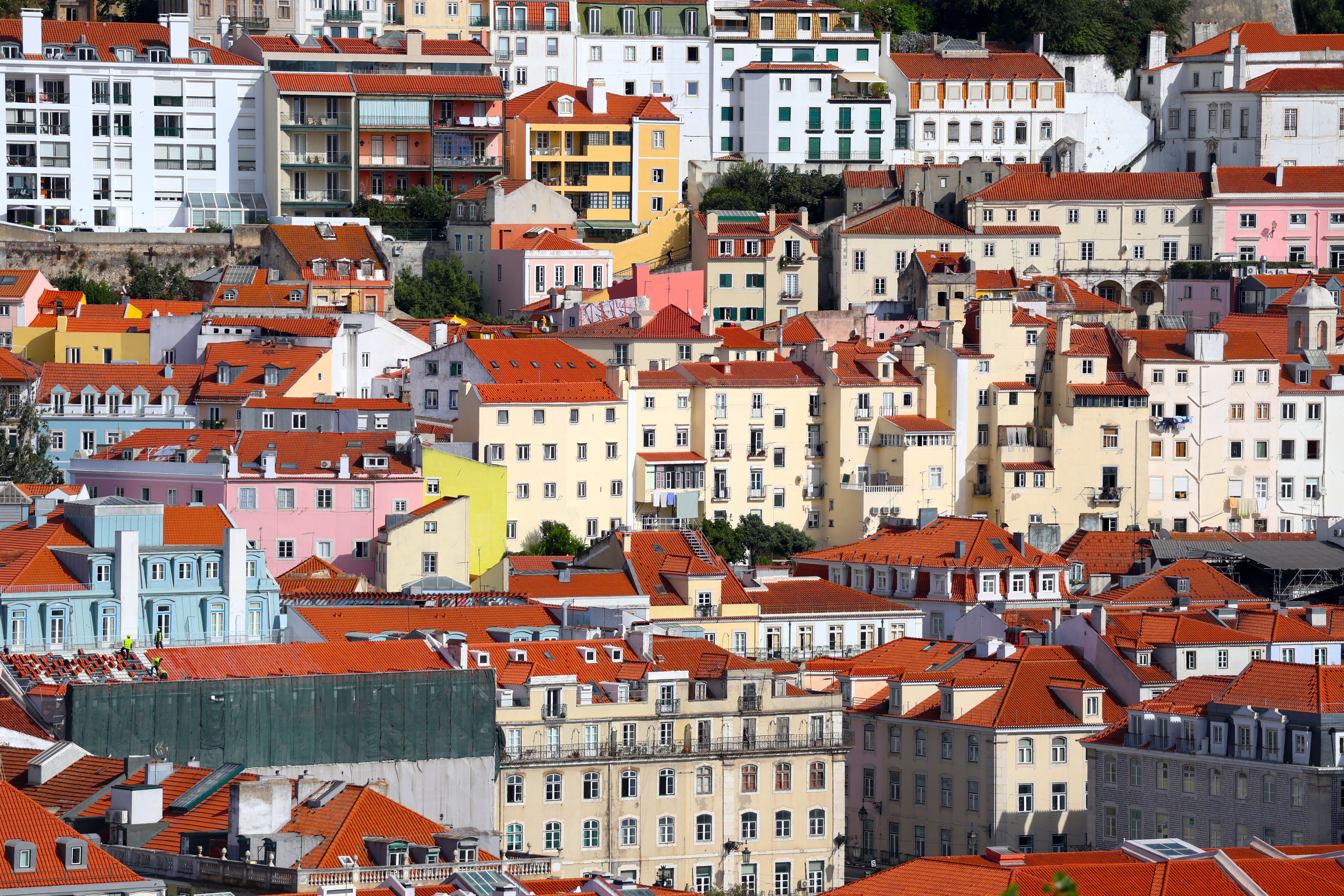
To address these challenges, the project team employed several innovative solutions. Restoration experts worked alongside architects to ensure that every detail respected the building's history. Advanced materials were selected to replicate the original features while offering improved durability.
Modern technology played a crucial role in the redesign. For instance, energy-efficient systems were discreetly integrated into the structure, reducing the building's carbon footprint without detracting from its historic appearance.
Community Engagement
Engaging the local community was another key aspect of the project. Public consultations were held to gather input and ensure that the renovation respected the neighborhood's character. This approach fostered a sense of ownership and pride among residents.

The Outcome
The transformation of the historic Lisboa building is a testament to what can be achieved when tradition meets innovation. The project successfully preserved the building's unique historical features while equipping it for modern use.
Today, the building serves as a mixed-use space, housing businesses and cultural events. Its success has inspired similar projects in the region, highlighting the potential of historic buildings as valuable community assets.
Lessons Learned
This case study underscores the importance of collaboration and creativity in historic preservation projects. By embracing both tradition and modernity, it's possible to breathe new life into old structures, ensuring they remain relevant and cherished for future generations.