
Common Misconceptions About Architecture in Lisboa: Debunked


Lisboa, with its rich history and vibrant culture, is a city that captivates many with its architectural charm. However, several misconceptions about its architecture persist. In this post, we aim to debunk some of these myths and shed light on the true essence of Lisboa's architectural landscape.
The Myth of Uniformity
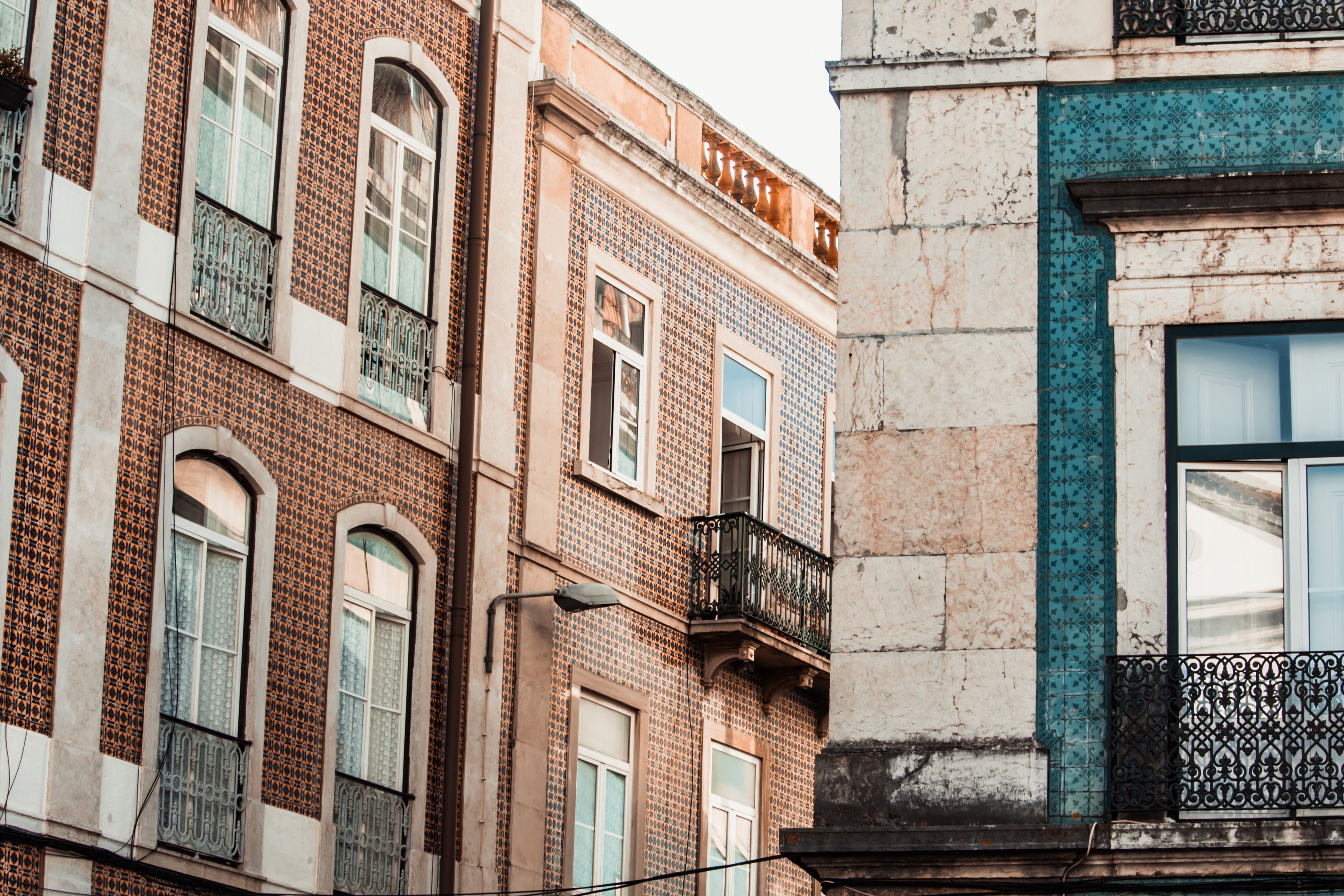
One common misconception is that Lisboa's architecture is uniform, dominated solely by traditional Portuguese styles. While it's true that elements like the iconic azulejos tiles are prevalent, the city's architecture is far from uniform. Lisboa showcases a diverse range of styles, from Gothic and Manueline to modern and contemporary influences.
The cityscape is a testament to its evolving history, with each neighborhood offering a unique blend of styles and influences. Whether it's the Gothic cathedrals or the sleek lines of modern buildings, Lisboa's architecture is a vibrant tapestry of old and new.
Belém: More Than Just Monuments
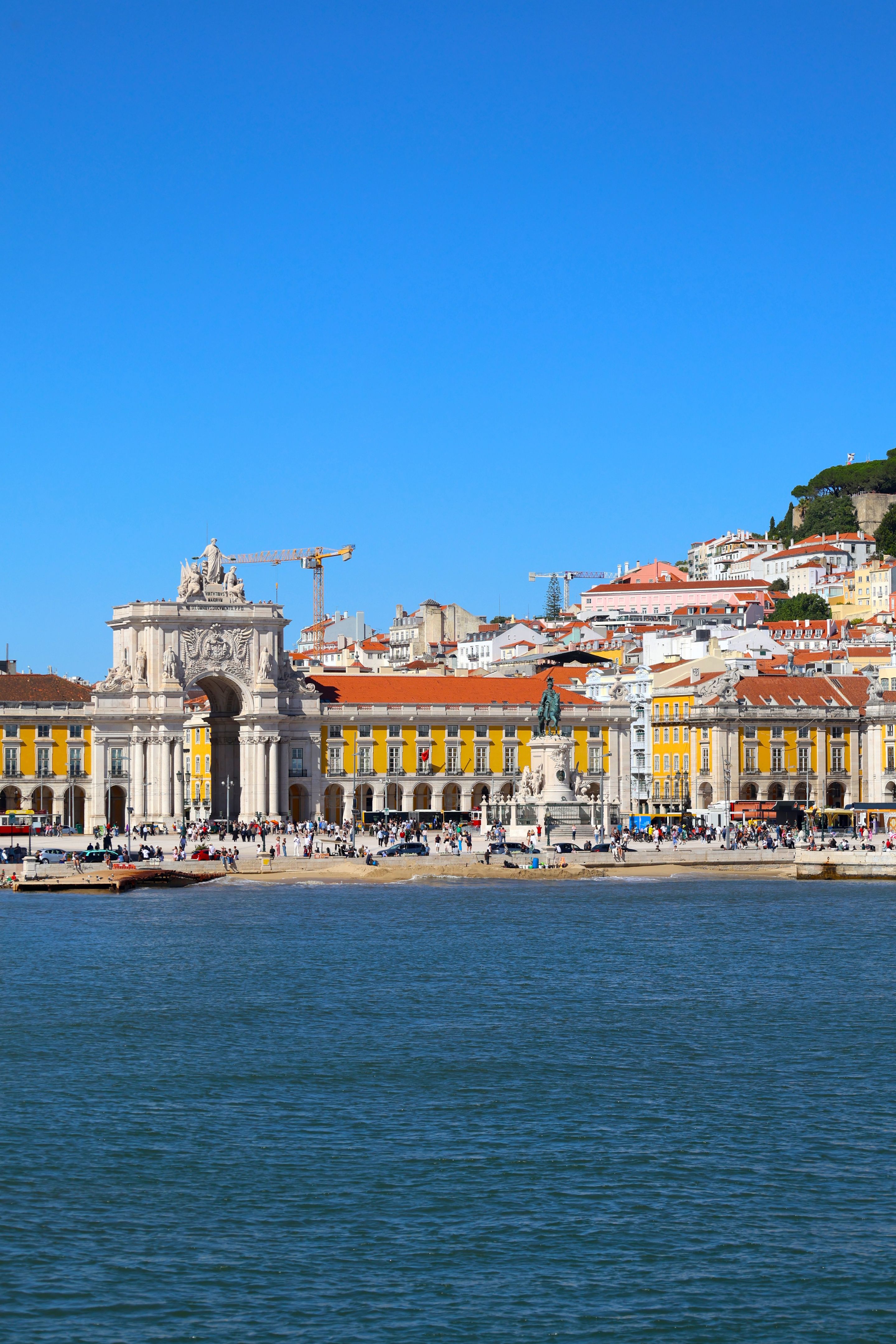
Belém is often associated solely with its famous monuments like the Jerónimos Monastery and the Belém Tower. While these landmarks are indeed significant, the area has much more to offer. Belém is a hub of cultural innovation, hosting museums and contemporary galleries that reflect Lisboa's dynamic cultural scene.
The juxtaposition of historical structures with modern artistic expressions makes Belém a fascinating area to explore. Visitors can enjoy the serene beauty of the gardens or delve into the exciting exhibitions at the Centro Cultural de Belém.
The Alfama Maze
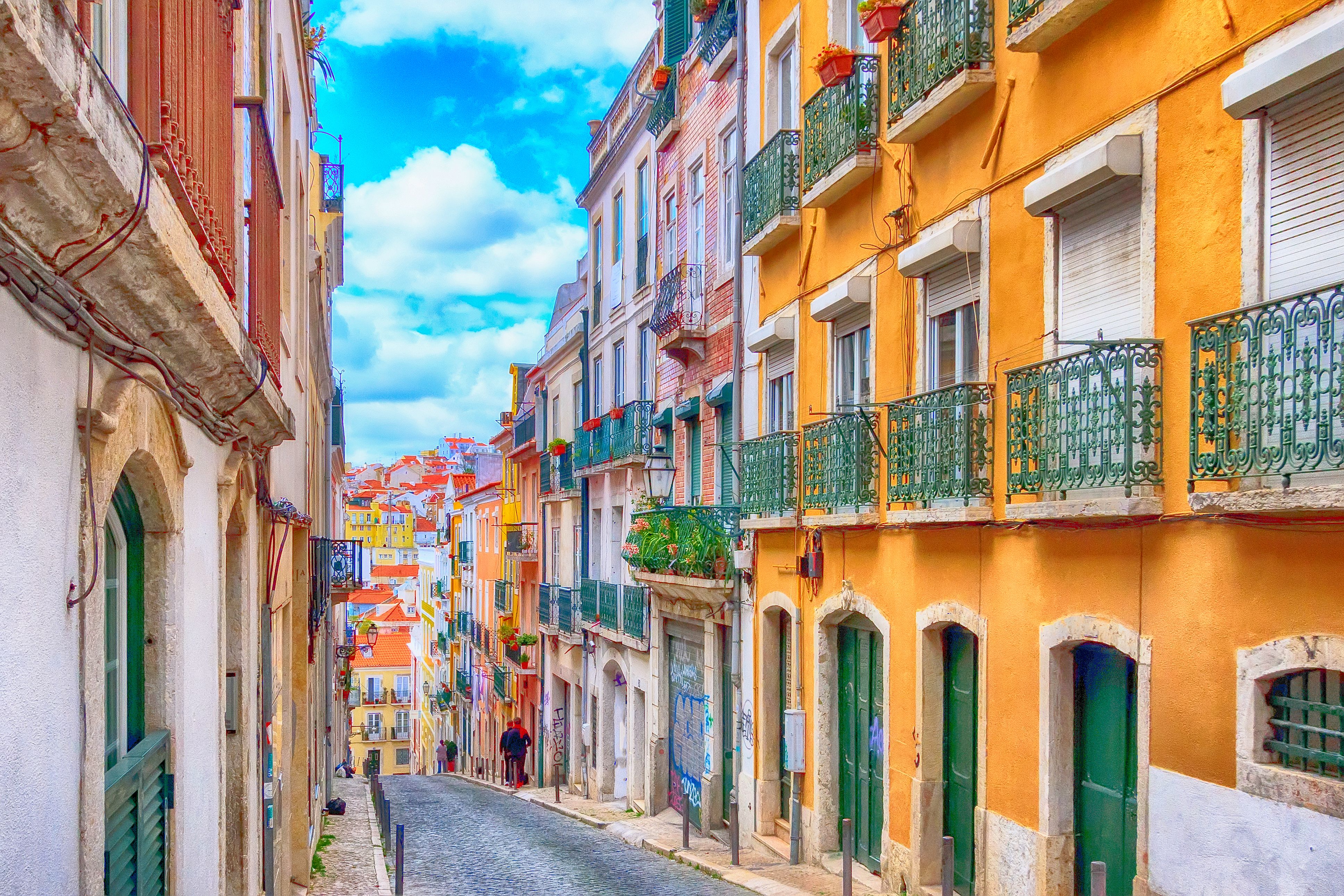
Alfama, one of Lisboa's oldest neighborhoods, is often thought to be a confusing maze of narrow streets. While its layout is undeniably intricate, this perception overlooks the neighborhood's charm and historical significance. Walking through Alfama offers a journey through time, revealing layers of history in every corner.
The winding streets lead to hidden gems like small plazas, traditional Fado houses, and stunning viewpoints overlooking the city. Rather than seeing it as a maze, consider Alfama as a treasure trove waiting to be discovered.
Modern Architecture: A New Perspective
Another misconception is that modern architecture is scarce in Lisboa. On the contrary, the city has embraced contemporary design, evident in projects like the MAAT (Museum of Art, Architecture, and Technology) and the Oriente Station. These structures highlight Lisboa's commitment to innovation and design.
The blend of historic and modern architecture creates a dynamic cityscape, where each style complements the other. Lisboa's modern architecture is a testament to its forward-thinking approach, balancing tradition with innovation.

Conclusion
In debunking these common misconceptions, we hope to provide a clearer picture of Lisboa's architectural landscape. The city's architecture is a complex and beautiful mix of styles that reflect its rich history and vibrant culture. Lisboa is a city that continuously evolves, offering a unique and captivating architectural experience for all who visit.