
Exploring Historical Architecture in Lisboa: A Designer’s Perspective


The Allure of Lisboa’s Architectural Heritage
Lisboa, a city steeped in history and rich in architectural diversity, offers a unique perspective for designers and architects alike. As you wander through its cobblestone streets, you'll find an eclectic mix of styles, from Moorish influences to the grandeur of the Baroque. Each building tells a story, and together, they form a tapestry that speaks to the city’s vibrant past.
The city’s architecture is not just about aesthetics; it reflects the cultural and historical shifts that have shaped Lisboa over the centuries. For designers, this presents a fascinating study of how different styles can coexist and complement each other, creating a harmonious urban landscape.
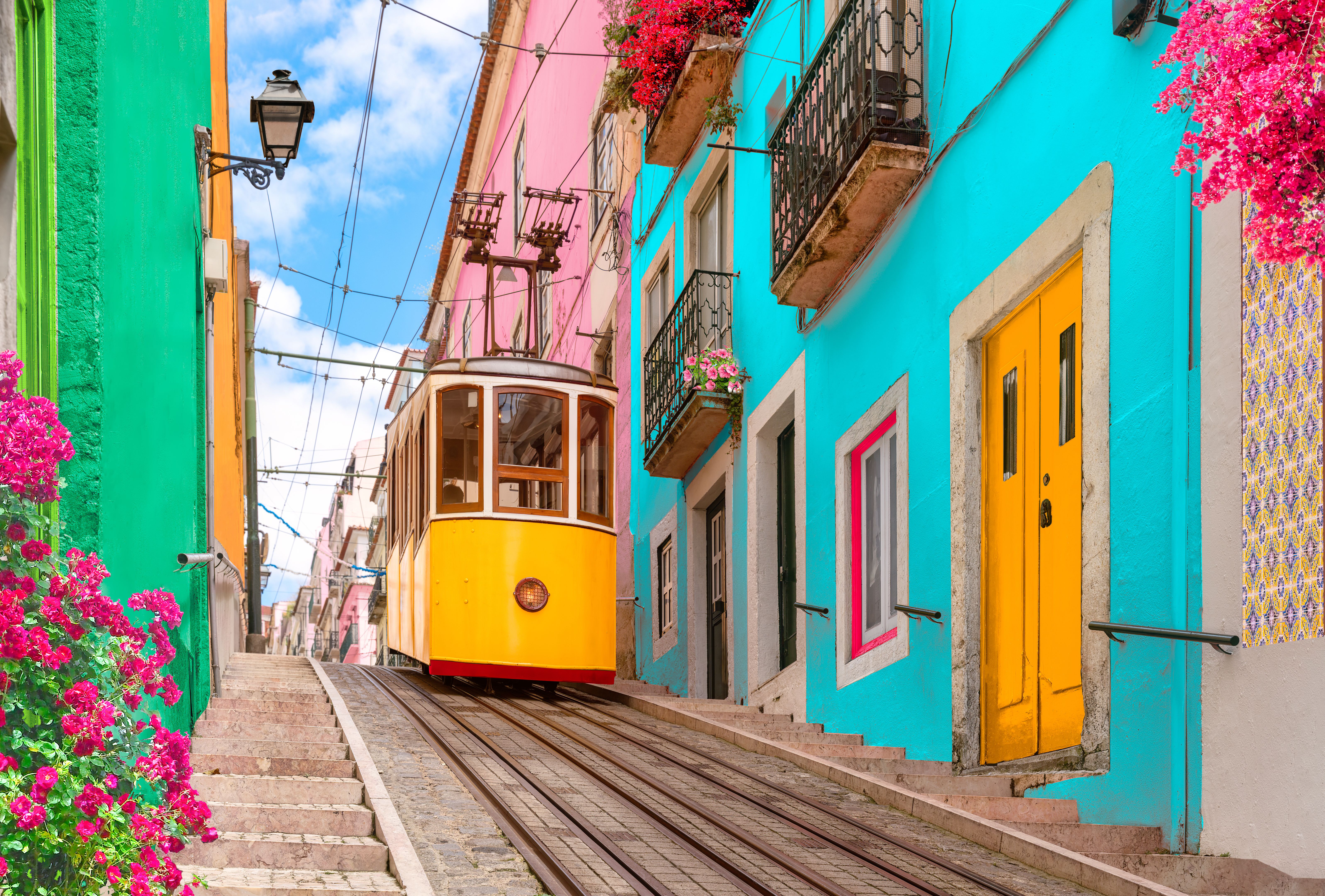
The Influence of Manueline Style
One of the most distinctive styles in Lisboa is the Manueline, which emerged in the late 15th century. This style is characterized by intricate stonework, maritime motifs, and a sense of grandeur that reflects Portugal’s Age of Discovery. As you explore the city, you'll notice the ornate details of buildings like the Jerónimos Monastery and the Belém Tower, which are prime examples of this unique architectural style.
For designers, the Manueline style offers a lesson in how architectural design can be both decorative and functional. The use of nautical themes not only celebrates Portugal's maritime heritage but also serves to enhance the structural integrity of the buildings.
The Charm of Pombaline Architecture
Following the devastating earthquake of 1755, Lisboa underwent a massive reconstruction that gave rise to the Pombaline style, named after the statesman Marquis of Pombal. This style is known for its emphasis on simplicity, functionality, and seismic resistance. The grid-like layout of the Baixa district is a testament to this architectural innovation.
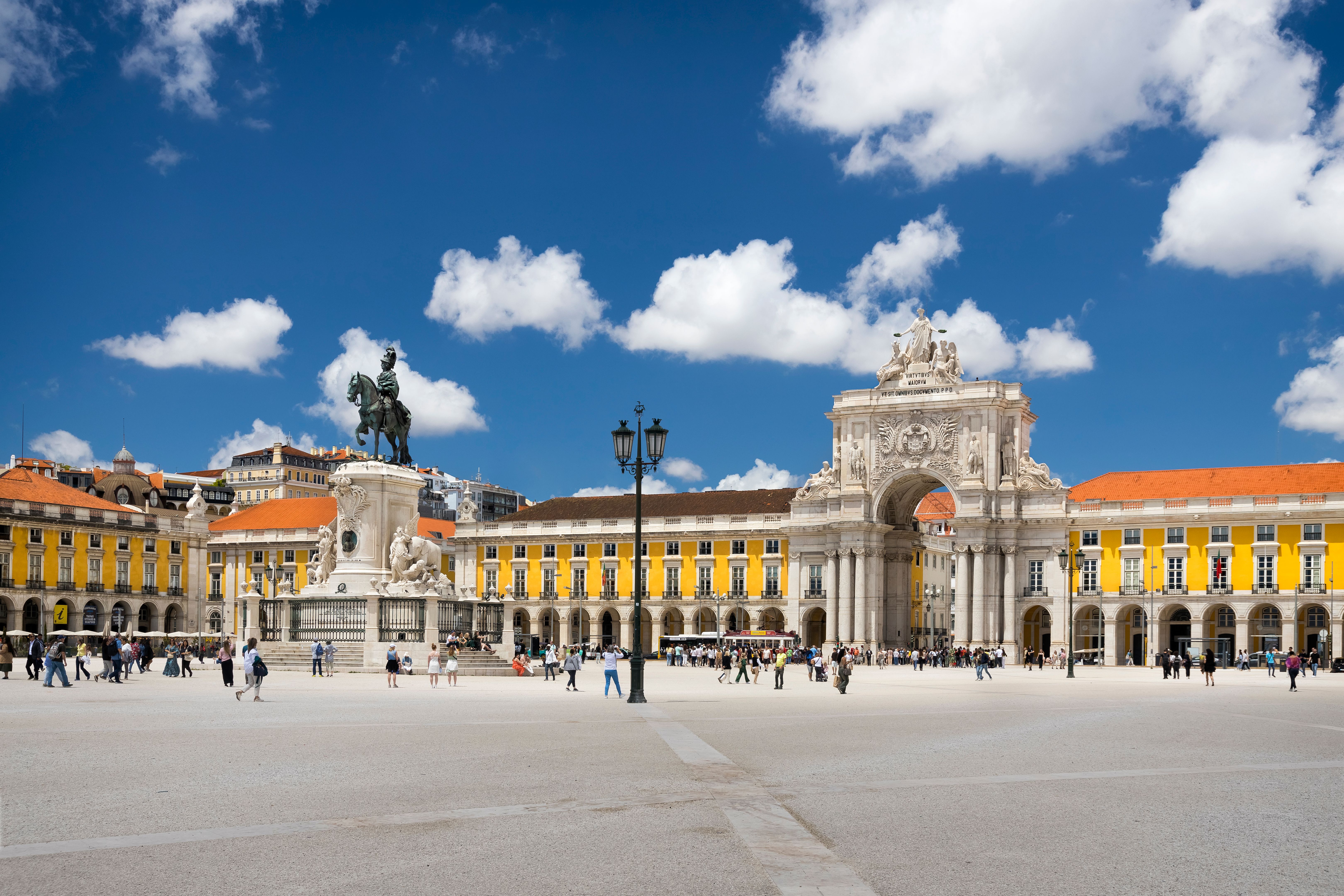
Designers can draw inspiration from the Pombaline style's focus on resilience and practicality. The use of prefabricated elements and standardized dimensions was revolutionary at the time and continues to influence modern architectural practices.
Exploring the Azulejos Tradition
No exploration of Lisboa’s architecture would be complete without mentioning the iconic azulejos. These colorful ceramic tiles adorn buildings across the city, adding a vibrant touch to the urban landscape. The tradition of azulejos dates back to the 13th century and has evolved over time to feature intricate patterns and scenes from Portuguese history.
For designers, azulejos offer endless possibilities for creativity. The interplay of color, pattern, and texture can transform a simple façade into a work of art, demonstrating how traditional elements can be incorporated into contemporary design.

The Modernist Movement in Lisboa
While much of Lisboa's architectural charm lies in its historical styles, the city also embraces modernism. The mid-20th century saw the rise of modernist architecture, characterized by clean lines, minimal ornamentation, and a focus on functionality.
Notable examples include the Calouste Gulbenkian Museum and the modernist buildings in the Areeiro district. These structures offer a stark contrast to the ornate designs of earlier periods and provide a fresh perspective on architectural innovation.
Conclusion: A Designer’s Dream
Lisboa’s architectural landscape is a designer’s dream, offering a rich tapestry of styles and influences. From the intricate details of the Manueline style to the modernist structures that dot the city, there is something to inspire every designer.
Whether you are drawn to the historical significance or the aesthetic beauty, exploring Lisboa’s architecture provides a wealth of inspiration and a deeper understanding of how design evolves over time. As you wander through this enchanting city, you'll find that every corner has a story to tell, waiting to be discovered.