
Exploring the Unique Architecture of Lisboa: A Designer's Perspective


Lisboa, the capital of Portugal, is a city that effortlessly blends traditional charm with modern innovation. The unique architecture of this vibrant city is a testament to its rich history and dynamic future. From its iconic tiles to contemporary structures, Lisboa offers an extraordinary visual experience for designers and architecture enthusiasts alike.
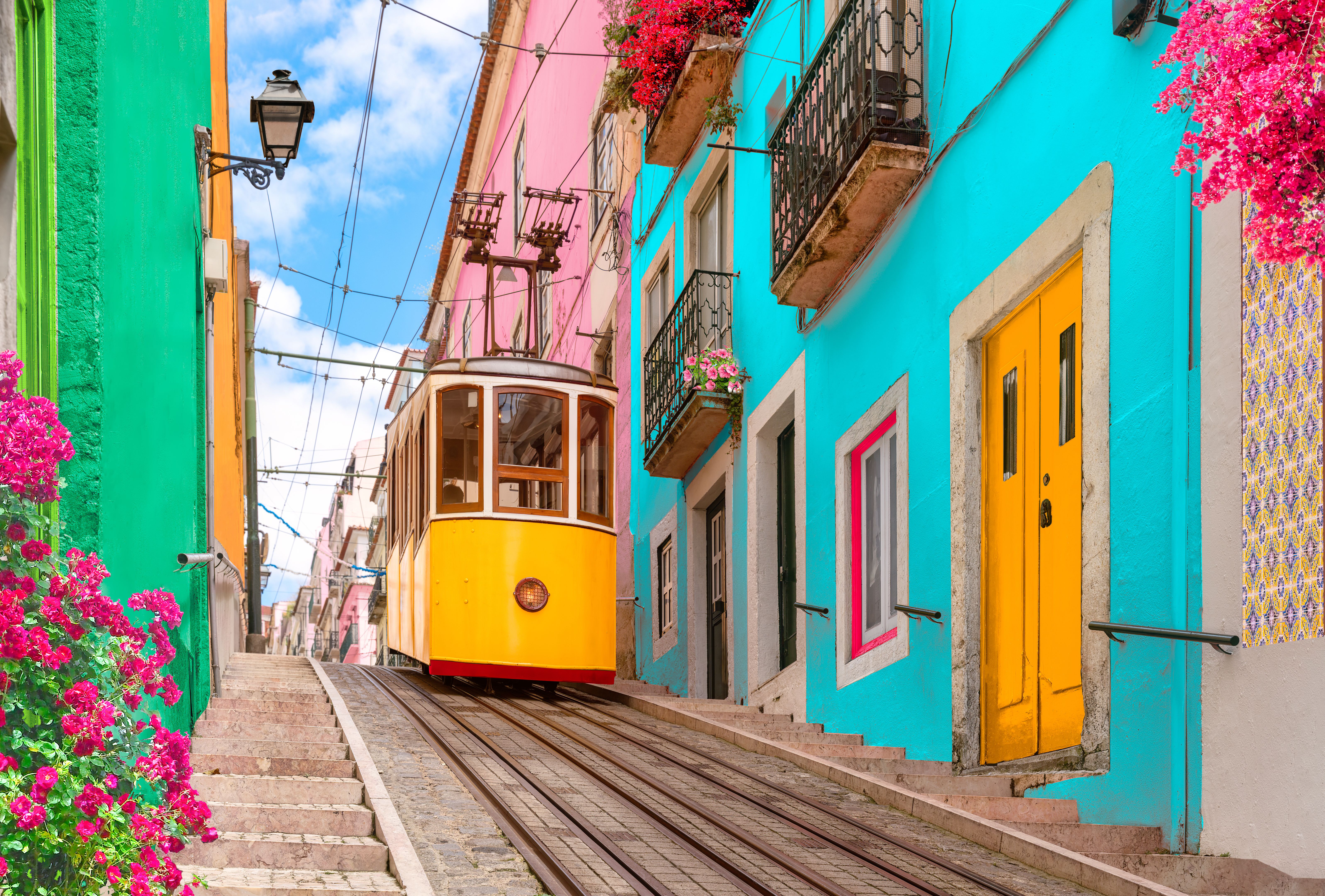
The Charm of Azulejos
One of the most striking features of Lisboa's architecture is the widespread use of azulejos, the traditional Portuguese tiles. These colorful, hand-painted tiles adorn both the interiors and exteriors of buildings, creating a mosaic of patterns and stories. They not only serve an aesthetic purpose but also act as a practical solution for temperature control within homes.
An exploration of Lisboa's streets reveals how these tiles have been used to depict historical events, religious scenes, and abstract patterns. This art form has become a defining characteristic of the city's architecture and continues to inspire contemporary designers.
Modern Architectural Marvels
While Lisboa cherishes its historical roots, it also embraces modernity. The city is home to several contemporary architectural masterpieces that push the boundaries of design. The Oriente Station, designed by Santiago Calatrava, is a stunning example of modern architecture, featuring a vast glass and steel structure that resembles a futuristic cathedral.
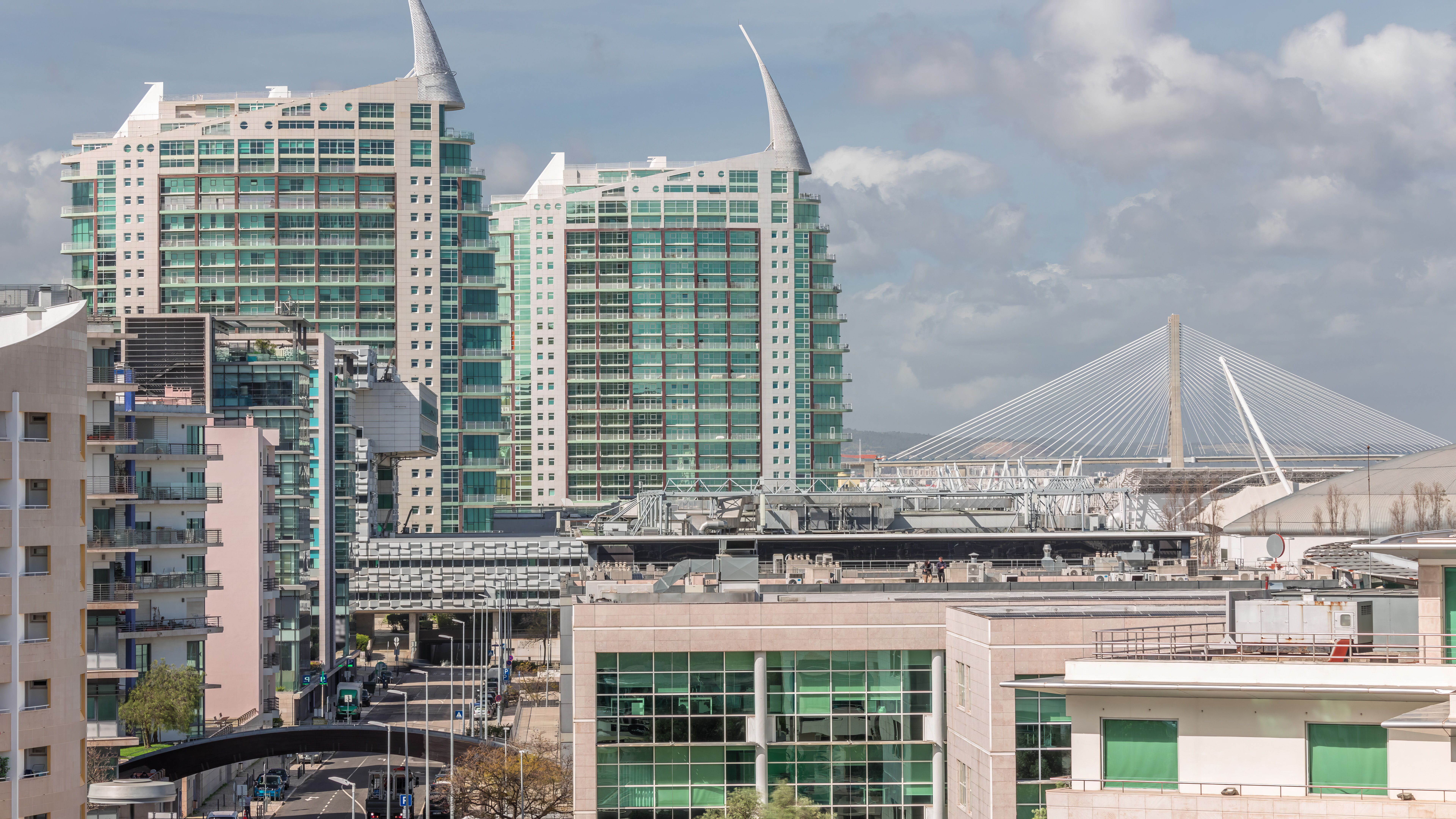
Another notable structure is the MAAT (Museum of Art, Architecture, and Technology), which sits gracefully along the Tagus River. Its undulating form and reflective surface create a harmonious dialogue with the surrounding landscape, merging art with architecture.
Historical Influences
The architectural landscape of Lisboa has been shaped by various historical influences, from Roman to Moorish, and Gothic to Baroque. Each era has left its mark, contributing to the city's eclectic aesthetic. The Belem Tower and Jerónimos Monastery are prime examples of the Manueline style, a distinctive Portuguese architectural style that combines Gothic and Renaissance elements.
These historical structures not only serve as tourist attractions but also as a source of inspiration for architects and designers seeking to blend the old with the new.

Sustainable Design Practices
In recent years, Lisboa has also become a hub for sustainable architecture. Designers are increasingly focusing on eco-friendly materials and energy-efficient solutions. The city's commitment to sustainability is evident in projects like the Amoreiras Garden Towers, which incorporate green spaces and solar energy systems to reduce environmental impact.
Lisboa's approach to sustainability reflects a growing global trend in architectural design, where aesthetics and functionality meet environmental responsibility.
A Designer's Inspiration
For designers, Lisboa offers a unique canvas where tradition meets innovation. The city's architecture provides endless inspiration, whether it's the intricate tilework, the daring modern structures, or the harmonious blend of historical influences.
Walking through Lisboa is like flipping through the pages of an architectural journal, each street offering new perspectives and ideas. The city's ability to evolve while honoring its past makes it a captivating destination for those passionate about design.