
Navigating Architectural Challenges: Common Pitfalls and Solutions in Lisbon


Lisbon, a city renowned for its rich history and stunning architecture, presents unique challenges to architects and builders. The city's blend of historic structures and modern developments requires a careful balance of preservation and innovation. Navigating these challenges effectively is crucial for maintaining the charm and functionality of Lisbon’s architectural landscape.
Understanding Lisbon’s Architectural Heritage
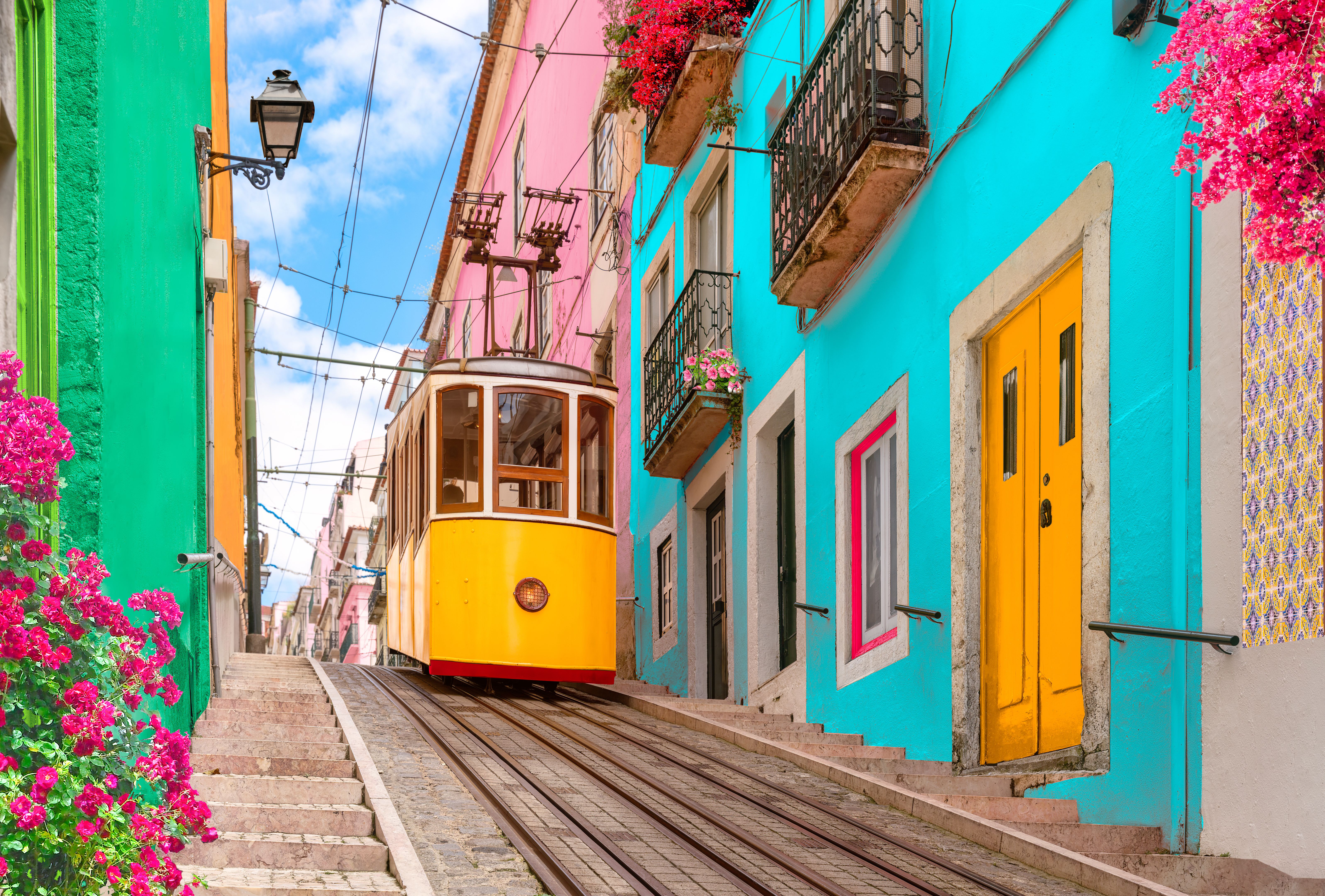
Lisbon is home to a wide variety of architectural styles, from Gothic and Baroque to Modernist. Each style reflects different historical periods and cultural influences. Architects must understand this diverse heritage to design structures that harmonize with existing buildings while meeting contemporary needs.
Challenges of Preservation
The preservation of historic buildings is one of the most significant challenges. Older buildings often require extensive renovation to meet modern safety and comfort standards. However, renovation efforts must be carefully managed to preserve the original architectural features.
- Identifying structural weaknesses
- Ensuring compliance with modern building codes
- Balancing restoration with innovation

Adapting to Topographical Constraints
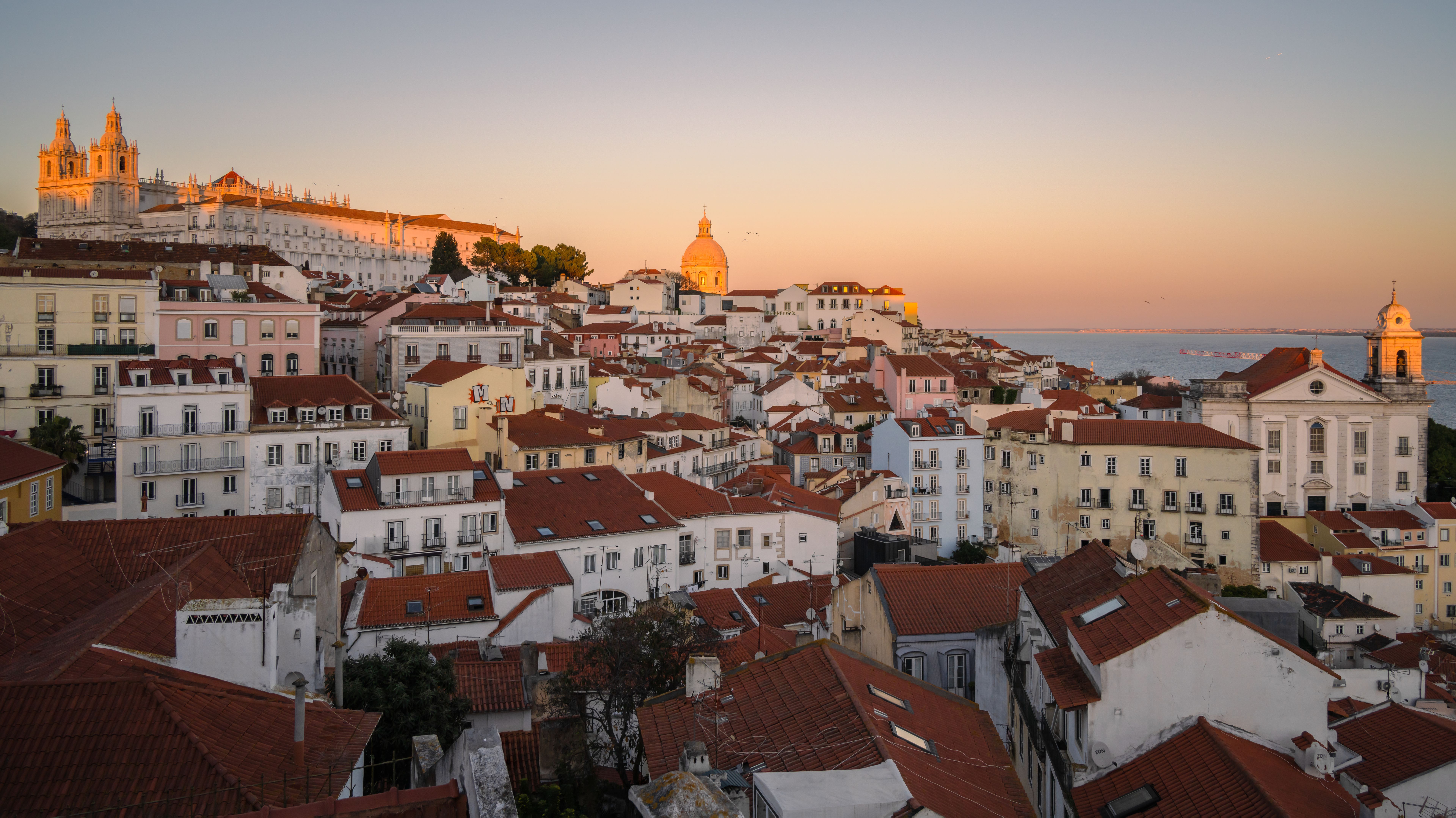
Lisbon’s hilly terrain poses another set of challenges. The city’s unique topography requires creative solutions to maximize space and ensure accessibility. Architects often employ innovative techniques to integrate buildings seamlessly into the landscape.
Design Solutions for Hilly Landscapes
To tackle the topographical challenges, architects can use:
- Terraced designs to follow the natural slope
- Multi-level structures to optimize space
- Elevated walkways to improve accessibility
Incorporating Sustainable Practices
Sustainability is increasingly important in modern architecture. In Lisbon, this means designing buildings that are energy-efficient and environmentally friendly. The integration of sustainable practices not only contributes to environmental conservation but also enhances the quality of life for residents.
Implementing Green Building Techniques
Some effective strategies include:
- Utilizing solar panels for renewable energy
- Incorporating green roofs to reduce heat absorption
- Employing rainwater harvesting systems
By addressing these challenges with thoughtful design and innovative solutions, architects can preserve Lisbon's architectural beauty while fostering sustainable growth and development. The key is a harmonious blend of tradition and modernity, ensuring that the city remains a vibrant and livable space for future generations.