
The Impact of Lisbon's Climate on Architectural Design


Understanding Lisbon's Climate
Lisbon, the vibrant capital of Portugal, is renowned for its unique architectural charm. This distinctiveness is not just a product of historical influences but is also significantly shaped by its climate. Lisbon enjoys a Mediterranean climate characterized by mild, rainy winters and warm, dry summers. This climate has a profound impact on how buildings are designed and constructed in the city.
Adapting to Warm Summers
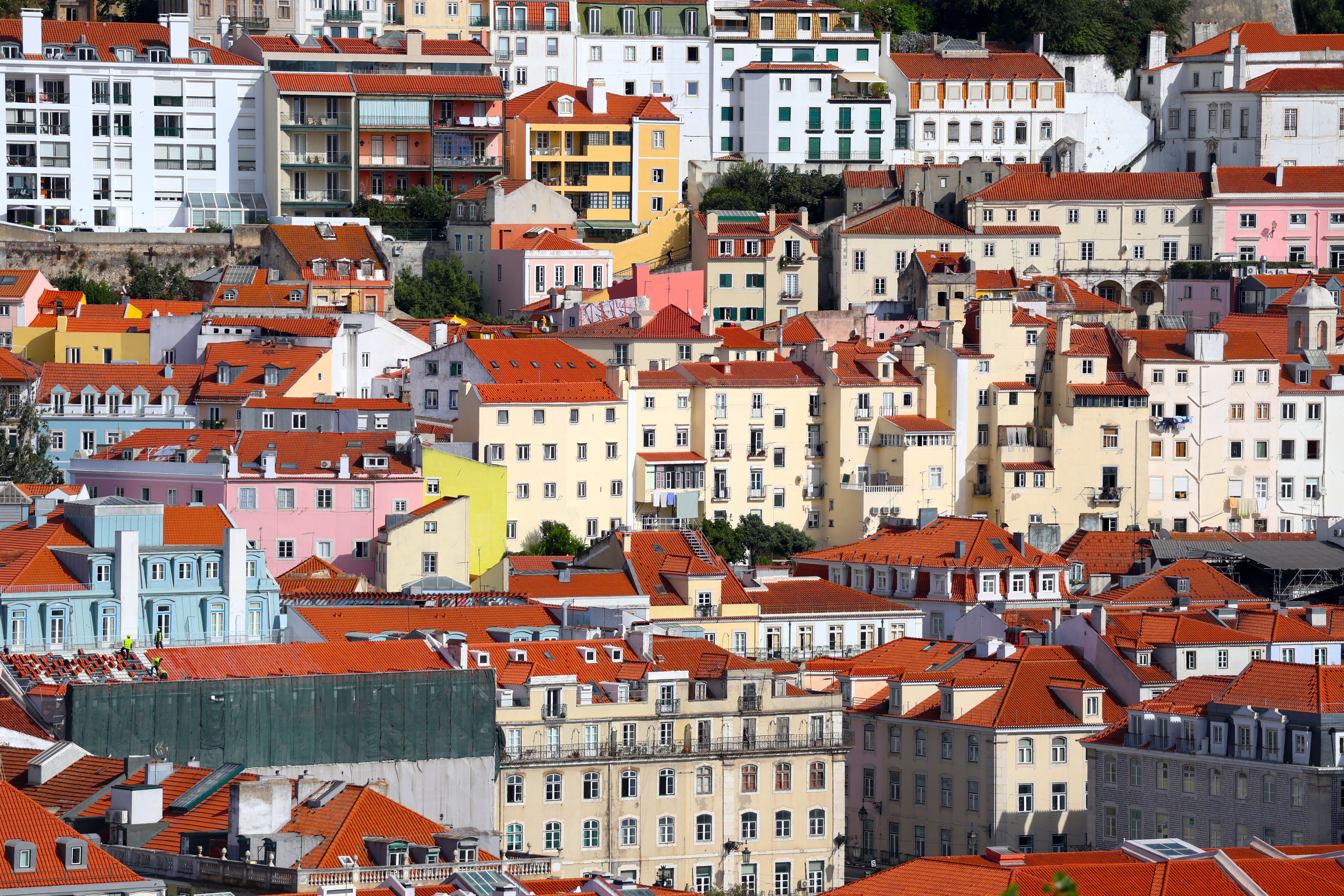
During the summer months, Lisbon experiences high temperatures that can reach over 30°C (86°F). To combat the heat, architects often incorporate features such as thick walls and small windows to minimize heat absorption. These elements help keep interiors cool, reducing the need for artificial cooling systems.
Another common feature is the use of natural ventilation. Buildings are designed to take advantage of the breezes from the Atlantic Ocean, allowing fresh air to circulate and cool down interiors naturally. This is often achieved through strategically placed windows and open spaces.
Dealing with Rainy Winters
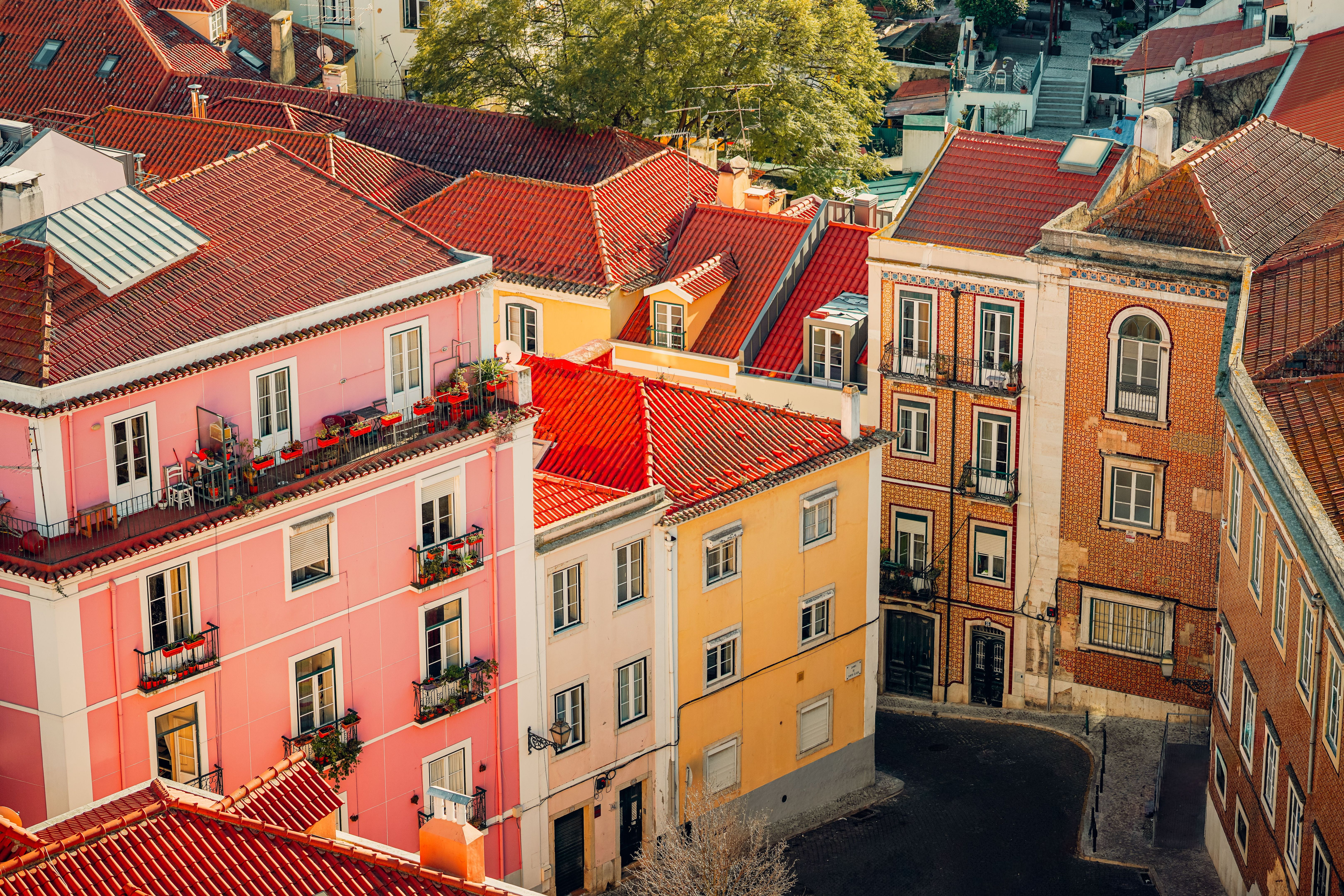
While summers are dry, Lisbon's winters bring an abundance of rain. This necessitates the use of durable, water-resistant materials in construction. Traditional Portuguese tiles, known as "azulejos," are often used not only for their aesthetic appeal but also for their ability to protect buildings from moisture.
In addition, sloped roofs are a common architectural feature in Lisbon. These roofs help facilitate water runoff, preventing water accumulation and potential damage to the structure. Rain gutters and drainage systems are also integral to managing the seasonal rainfall effectively.

Incorporating Sustainable Design
With growing awareness of climate change, modern architectural designs in Lisbon are increasingly focused on sustainability. Solar panels are becoming more prevalent as a way to harness the abundant sunshine and reduce energy consumption. Green roofs and walls are also gaining popularity, contributing to better insulation and promoting biodiversity within urban areas.
These innovations not only address environmental concerns but also enhance the comfort and functionality of living spaces. By integrating sustainable practices, architects in Lisbon are creating buildings that are both environmentally friendly and suited to the local climate.
The Role of Cultural Heritage
Lisbon's architectural landscape is a tapestry of historical influences, from Roman and Moorish styles to the distinctive Manueline architecture. The climate has played a role in shaping these styles, as each era adapted building techniques to suit local weather conditions. This fusion of cultural and climatic considerations continues to influence contemporary architectural design.
Preserving this heritage is essential for maintaining the city's unique identity. Restoration projects often focus on retaining original features while upgrading facilities to meet modern climate-related demands.
Conclusion
The impact of Lisbon's climate on architectural design is evident in the city's unique blend of tradition and innovation. By understanding and adapting to local weather conditions, architects create structures that are not only aesthetically pleasing but also practical and sustainable. As climate awareness grows, Lisbon's architectural future seems poised to continue this harmonious balance between nature and design.